
A preschooler doesn't learn chess the way a schoolchild does. They don't need the full rules or long games — they need short games where the pieces do something: collect, hide, run away. Here is how to set up chess sessions for ages 3–6 so chess becomes a favorite game rather than a lesson.
How preschoolers are different
- Short attention span. At 3–4, about 5–10 minutes per activity; at 5–6, 15–20.
- They learn through play and movement. What a child does with their hands sticks better than any explanation.
- Losing hurts. Losing the very first game can put them off for a long time.
- They love repetition. The same game five times in a row is normal and useful.
So the main rule is: one idea per session, and always a game.
Ages 3–4: getting to know chess without rules
At this age chess is not a game of chess but a set of games with a board and pieces.
- "Find the piece." Name a piece — your child finds it in the box. Then swap: your child points, you name it.
- "Square colors." Put a prize on a square and ask what color it is. Then your child hides the prize and you guess.
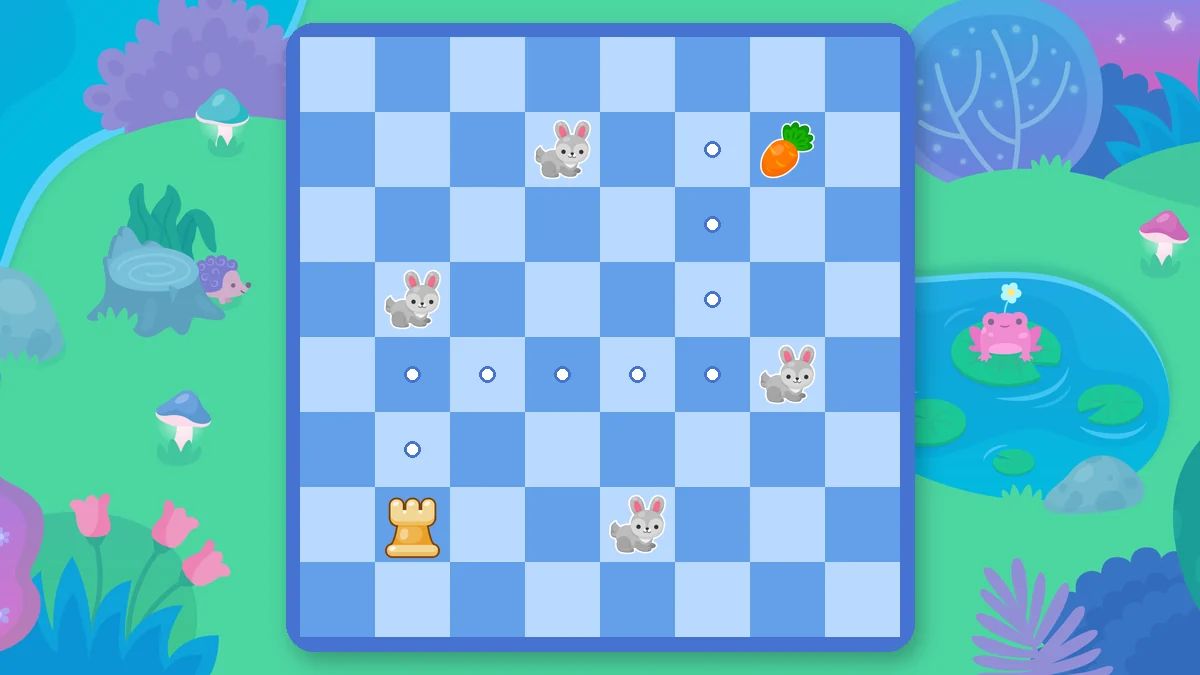
- "The rook drives." One rook drives in a straight line to a toy on the board. No rules needed — just "the rook doesn't turn".
5–10 minutes is plenty. If your child wants to build a tower out of the pieces, let them — getting to know the pieces counts too.
Ages 5–6: one piece at a time
At 5–6, most children are ready to learn the moves.
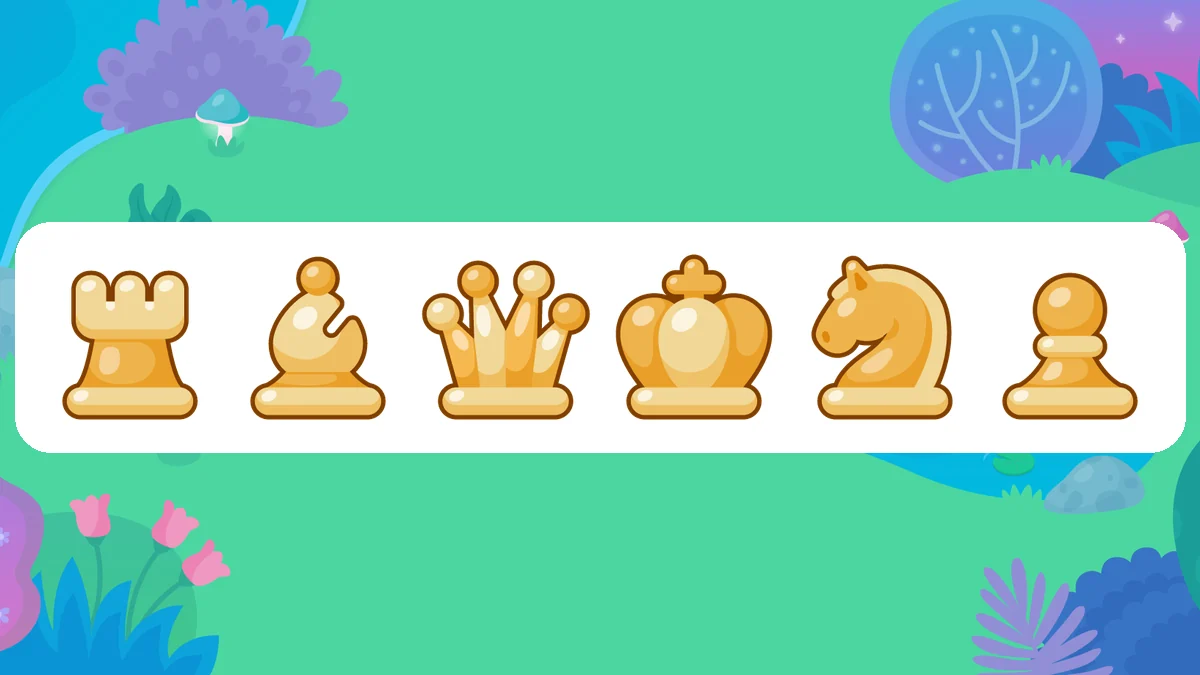
- One new piece per session: rook, bishop, queen, king, knight, pawn.
- A task for each: collect prizes, go around an obstacle, reach a goal.
- Then mini-games on part of the board: two pawns against two, a rook against pawns.
- Once the moves are learned — check, and how to escape it.
A full game is not the goal for the first months. When a child is ready for full games is covered in At What Age Should a Child Start Chess?.
How often to practice
- 2–4 short sessions a week beat one long lesson on the weekend.
- 10–20 minutes, depending on age.
- Start each session with 1–2 minutes of reviewing the last one.
How to praise and how to lose
- Praise the effort and the solution found, not "you're so smart". "You found the way around the obstacle by yourself" works better.
- In the first weeks, let your child win — quietly. Then gradually play more honestly.
- If your child is upset about losing, don't push for another game. Go back to a game they are sure to manage.
If your child gets bored
It's normal, and there's no need to scold. Usually the reason is one of three:
- the session is too long — cut it in half;
- it's too hard — go back to a piece that already works;
- it's too repetitive — change the game or add a story: "the rook rescues the princess".
If interest is gone completely, take a break for a couple of weeks. At 3–6, that's not a setback, just a normal rhythm.
Can a preschooler learn from an app?
Yes, if the app is made for this age: short tasks, voice prompts instead of text, one new idea at a time. A good combination: your child plays in the app, then you repeat the same tasks on a real board.
Fenomen is made for children aged 3–7: pieces collect items on the board and go around animal obstacles, the tasks are voiced, and parents can see their child's progress. It's free to start on Android and in the browser.
A step-by-step plan from the first piece to the first game is in How to Teach a Child to Play Chess from Scratch, and a script for the very first session is in Your Child's First Chess Lesson.